


The No-Pull Harness for Dogs
- Davina K Schoen

- 18 hours ago
- 4 min read
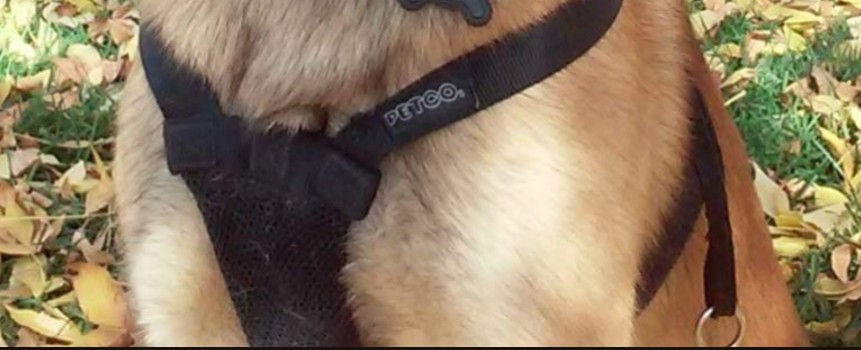
I must admit that originally, I was not big fan of harnesses for dogs, unless used for tracking or protection training. I was actually astounded at people walking their dogs, using a harness, while expecting their dogs not at all to pull them along. That all changed some years ago, when I discovered that one of my younger dogs had an overly sensitive throat. In fact, his trachea and even his white colored skin was so sensitive and soft, that even the slightest pressure on a flat collar would cause him to cough and dry heave. When I started his obedience training, I consulted with my master mind veterinarian of the time and she urged me to try a no-pull harness, instead of attaching his leash to a training collar. I was reluctant but also convinced that it was not possible, with this particular dog, to utilize any sort of traditional training collar. Despite having accustomed myself to training my dogs with a variety of training tools that have been proven most effective, I would never commit to doing so if it would cause them physical damage or great amounts of discomfort. My dogs are not always performing under a heel command, and I would routinely walk them on trails on long lines and retractable leashes, so there was always the threat of an occasional by me frowned upon yank, lunge or brief charge if they spotted wildlife within close proximity. This was especially the case with this particular young, high drive dog. Debating for several days, I eventually relented and purchased a no-pull harness, not yet knowing how to fully implement it. This particular no-pull harness (not to be confused with the no jump harnesses) has a nylon mesh chest piece, two adjustable padded nylon straps (not rubber) that run underneath the dog's front armpits and come back up and together over the top of the dogs' shoulder blades. Below is what your dog sees before you slide it over its head.

I purchased the harness at my local Petco pet franchise store for less than $30. There were two sizes to choose from at the time, medium and large. The excess nylon cord is equipped
with a sliding round ring to which a leash can be attached to. Being the cord strap is longer and could cause the dog to trip or easily slip out of the harness, there is a fairly large cord lock, that, when pushed, can slide down to the shoulder blades for a snug fit. This also assured an easy put on and take off process. The entire harness is not one stiff piece, as is the case with most nylon padded and leather harnesses, but rather a limp lightweight flexible piece of mesh and cords held together by a curved metal piece that rests on the dog's back at the bottom of the neck. Here's another view:

This harness basically constricts around the dog's front armpits if the dog pulls forward, so it basically acts like a martingale. It can therefore act as training tool versus a tool only meant to prevent pulling on the leash during walks. In addition, you can attach your leash to both the harness cord ring PLUS run it up to your dog's neck collar at the same time, for an extra protection back up. So, in a situation where the collar breaks or pops open, the leash would still be attached to the harness cord ring (when utilizing this method however the dog puts pressure on the collar first while walking and not the harness).

So, who are some potential canine candidates that could benefit from this versatile dog training tool? Over the years, I have successfully recommended the no pull harness to many of my own dog training clients, some who had the following situations or existent issues;
Dogs with sensitive skin and throat tenderness or injuries
Young puppies that are still learning not to pull on a leash while walking
Any dog walked by a child that is not educated in using dog training collars
Dogs that know how to slip and escape out of traditional collars and harnesses
Older dogs that sniff a lot of walks and tend to step on or tangle their leash
Dog owners that are opponents of traditional training collars and the flat buckle collar isn't getting the job done or helping to prevent pulling (while their dog is still in training)
Being I am still adding to this list of no pull harness fans, feel free to leave a comment regarding your own experience with this tool.
While no dog training tool is void of any and all flaws or drawbacks, this collar is no exception. Here are a few things to be aware of before purchase and use of it;
your dog's leash can still get tangled around the dogs' legs and throat
being this harness constricts around the dog's body, don't tie your dog up with it on
don't kennel or crate your dog while wearing it, it could snag and get caught causing suffocation OR your dog could scratch at it and get a nail, foot or leg caught in it
use extra caution attaching a retractable leash to this harness, as the metal ring bounces
I wasn't able to find a similar light weight product from another manufacturer at the time
It is not a quick fix to teach your dog not to pull on the leash. While it can aid you in training your dog, the tool itself won't be enough to prevent your dog from pulling
However, chances are that your dog will learn to love this tool, being it will mean more one on one time with you, less pulling ahead, and hopefully a more enjoyable walk for you both. Make sure to contact a local dog training professional to help you fit and learn to use the no pull harness if you need more guidance. And, as always, HAPPY HEELING!
Comments